What is Image Compression?
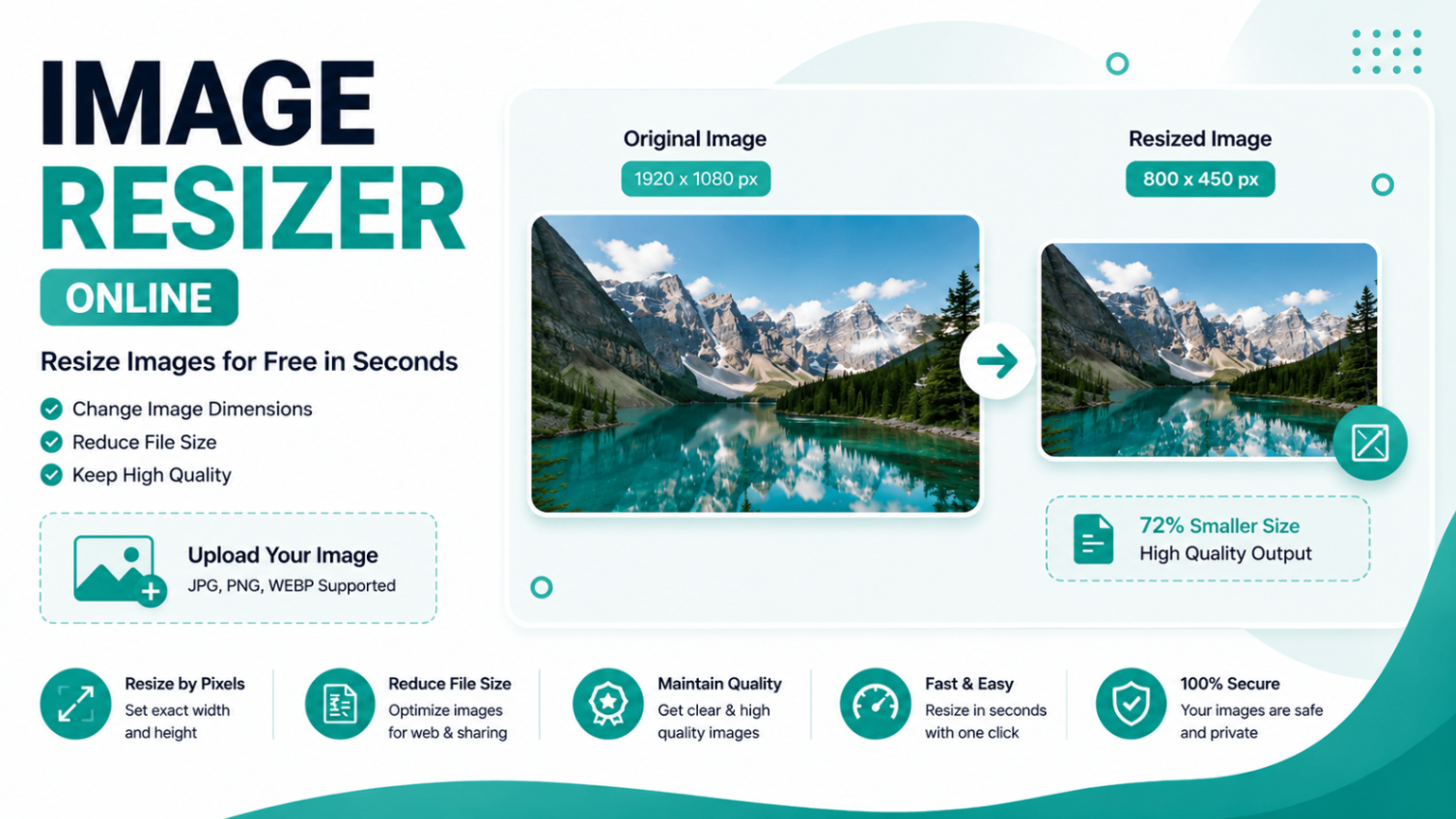
Image compression reduces the file size of an image by removing redundant or unnecessary data. A good image compressor lets you reduce image size in KB so photos load faster, consume less storage, and meet strict upload limits like 20KB or 50KB — without any visible difference to your visitors. Whether you need a photo compressor for a website hero image or a picture compressor to shrink a scan for a form, the result is smaller files that still look sharp.
How to Compress a Photo & Reduce Image Size in KB
- Upload JPG, PNG, or WEBP images by dragging and dropping or clicking to browse.
- Set quality level — 80% is recommended for the best size-to-quality balance, or lower it to reduce JPG size further and hit a target like 20KB or 50KB.
- Choose to keep the original format or convert all images to WEBP for maximum savings.
- Click Compress Images and wait a moment while your browser processes each file.
- Download compressed images individually or click Download All as ZIP.
Photo Size Reducer for Upload Limits
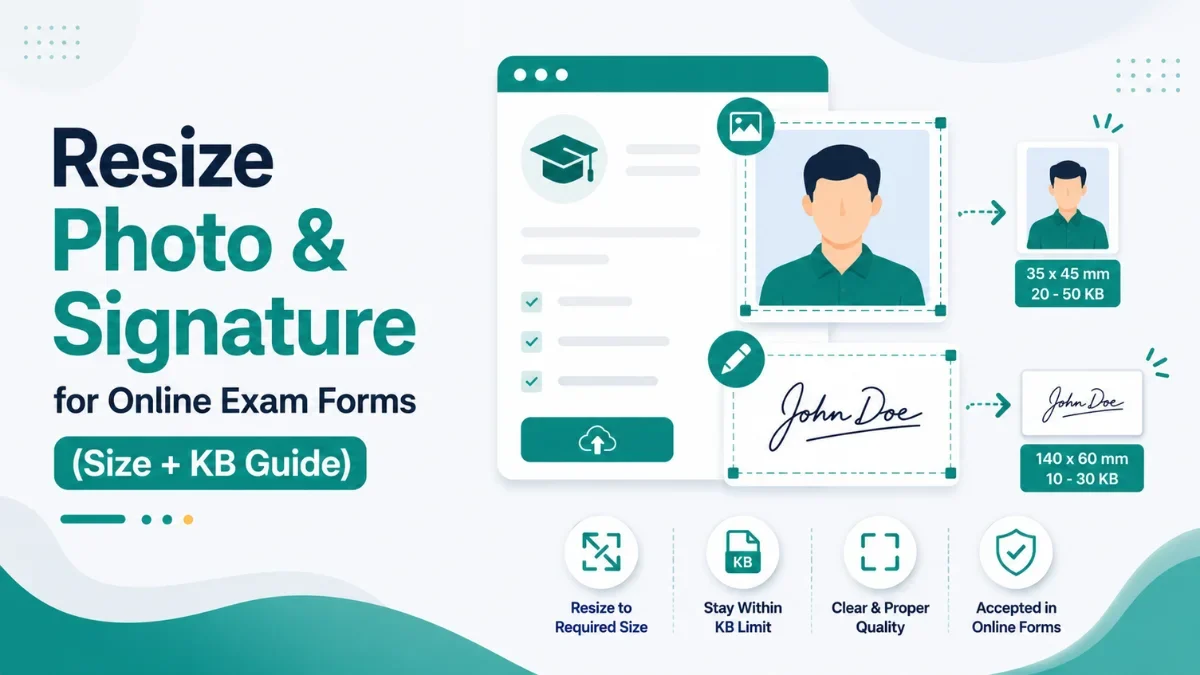
Many forms and portals cap image uploads at a fixed size — 20KB, 50KB, 100KB, or 200KB. This photo size reducer makes it easy to compress JPG and other formats down to those targets: lower the quality slider, compress, and check the resulting size in KB. Because the JPEG compressor runs entirely in your browser, your photos are never uploaded to a server.
Quality Guide — What Percentage to Use
| Quality | File Size | Best For |
|---|---|---|
| 90–100% | Large | Print, archiving, originals |
| 80–89% | Medium | Web images, blog posts |
| 70–79% | Small | Thumbnails, previews |
| 50–69% | Very small | Email attachments |
| Below 50% | Tiny | Low-priority images |
Recommended: 80% for the best balance of file size and visual quality.
JPG vs PNG vs WEBP Compression
JPG Compression
JPG uses lossy compression — some image data is permanently discarded to achieve smaller files. The quality slider controls how aggressively data is removed. JPG is the best choice for photographs with complex color gradients. At 80% quality, typical file size reduction is 60–85% compared to the original.
PNG Compression
PNG uses lossless compression — no data is ever lost. This means the file size reduction achievable is limited. PNG is ideal for logos, screenshots, and images with transparent backgrounds where pixel-perfect accuracy matters. For web photos, convert PNG to WEBP using the format option above for dramatically better compression.
WEBP Compression
WEBP is Google's modern image format, supporting both lossy and lossless compression. WEBP images are typically 25–35% smaller than JPG at the same visual quality and can replace PNG for transparent images at much smaller file sizes. All modern browsers — Chrome, Firefox, Safari 14+, and Edge — support WEBP natively. It is the recommended format for all web images in 2025.